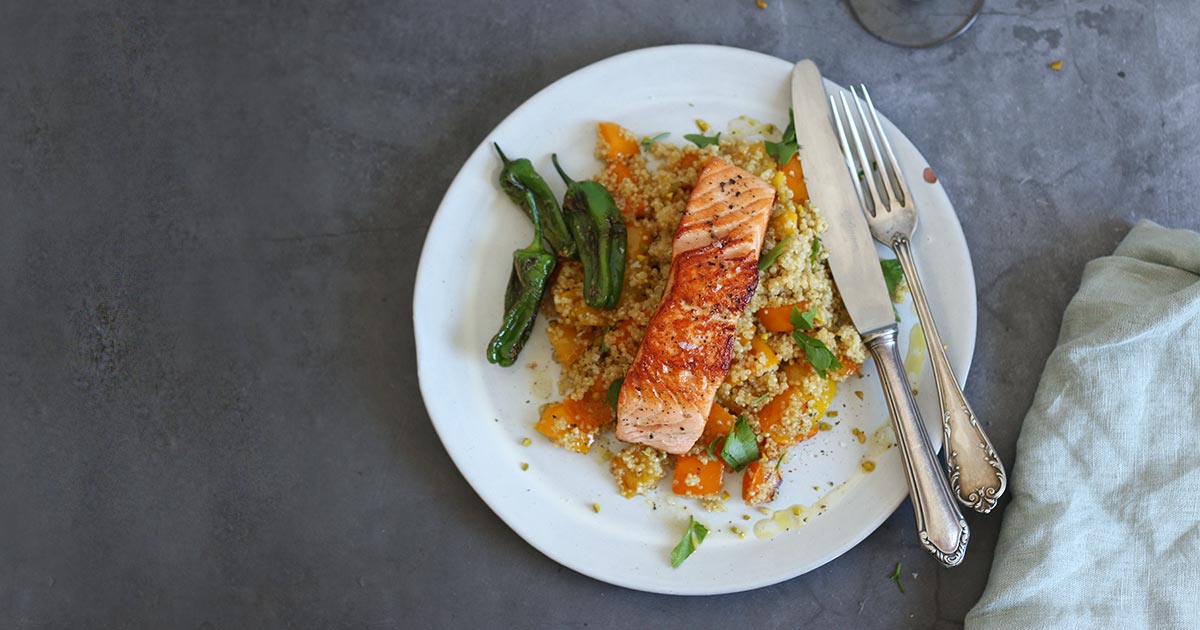
The Great Salmon Skin Debate: To Keep or Discard?
Salmon is a culinary staple revered for its rich flavor, versatility, and exceptional nutritional profile, particularly its abundance of heart-healthy Omega-3 fatty acids. But for many home cooks, a common question arises even before the first sizzle in the pan: should I remove salmon skin? While some swear by the crispy texture and added health benefits of keeping it on, others prefer a skinless fillet for certain dishes or simply out of personal preference. This comprehensive guide will navigate the delicious dilemma, helping you decide when to embrace the skin and when to master the art of
effortless salmon skin removal.
The Culinary Debate: To Skin or Not to Skin Your Salmon?
Let's cut right to the chase: **salmon skin is absolutely edible and, in fact, quite healthy.** Far from being mere packaging, it contains a significant portion of the beneficial fats and nutrients that make salmon such a superfood. The crucial Omega-3 fatty acids are concentrated just beneath the skin, meaning you get an extra boost when you consume it. Beyond nutrition, the skin also offers a unique texture – when cooked correctly, it transforms into a delectable, shatteringly crisp layer that many consider the best part of the fish.
So, why the debate? The decision largely hinges on two factors: your preferred cooking method and your personal textural preferences. In some preparations, the skin becomes a culinary asset, enhancing both flavor and texture. In others, it can be an unwelcome addition. Understanding these nuances is key to elevating your salmon cooking to the next level, whether you opt for keeping it on or mastering the skill of *Lachs Haut Entfernen*.
When Keeping the Skin is a Culinary Advantage
For many popular cooking methods, leaving the skin on is not just acceptable, but highly recommended. It acts as a natural protective layer, sealing in moisture and flavor, preventing the delicate flesh from drying out.
Grilling and Pan-Searing: The Crispy Skin Dream
If your goal is a perfectly cooked, moist salmon fillet with a delightful crunchy exterior, then keeping the skin on is non-negotiable. This is where salmon skin truly shines, particularly when pan-searing or grilling.
The secret to achieving that coveted crispy skin lies in starting with the skin side down. When you place the salmon, skin-side down, into a hot pan or onto a grill, the skin renders its fat, creating a natural non-stick layer and allowing it to crisp up beautifully. This process also provides a protective barrier, shielding the delicate flesh from direct, intense heat. The result? A perfectly cooked fillet – moist and flaky on the inside, with a golden, crackling skin that offers a fantastic textural contrast. Without the skin, salmon tends to lose more moisture and fat during these high-heat cooking methods, potentially leading to a drier outcome.
To perfect your crispy skin technique:
* **Pat it Dry:** Ensure the skin is thoroughly dry with paper towels before seasoning. Moisture is the enemy of crispiness.
* **Season Well:** Don't forget to season the skin! Salt and pepper are a must.
* **Hot Pan, Moderate Oil:** Use a good quality, high smoke-point oil in a hot pan (cast iron works wonderfully) over medium-high heat.
* **Press Gently:** For the first minute or so, gently press down on the fillet with a spatula to ensure full contact between the skin and the pan, preventing it from curling up.
* **Resist the Urge to Flip:** Cook primarily on the skin side (often 80-90% of the cooking time), only flipping for a minute or two to finish cooking through.
For more on maximizing this textural delight, dive deeper into
Crispy Skin vs. Juicy Fillet: When to Keep Salmon Skin.
Roasting and Baking
Similar to pan-searing and grilling, roasting or baking salmon with the skin on offers protective benefits. The skin helps insulate the flesh from the oven's dry heat, keeping the fillet succulent and preventing it from becoming dry or overcooked. While the skin may not reach the same level of crispiness as in a pan, it still provides a pleasant texture and holds the fillet together, making it easier to handle and preventing it from flaking apart prematurely.
When Removing the Skin is the Better Option (Lachs Haut Entfernen)
While crispy skin is a delight, not every salmon dish benefits from its presence. In some cases, the skin's texture can be unappealing or simply get in the way of the desired culinary outcome. This is when knowing how to perform *Lachs Haut Entfernen* becomes an invaluable skill.
Poaching, Steaming, and Stews
For gentle cooking methods like poaching or steaming, or when incorporating salmon into liquid-based dishes like stews, soups, curries, or pasta sauces, the skin is best removed beforehand. In these preparations, the skin won't crisp up; instead, it becomes soft, rubbery, and can have an unpleasant, slimy texture that most people find unappetizing. Furthermore, the skin can release an overly "fishy" flavor into the surrounding liquid, which might not be desirable depending on the dish. Removing the skin ensures a more uniform, tender texture throughout the salmon and a cleaner flavor profile for your sauce or broth.
Raw Preparations (Sushi/Sashimi) and Curing (Gravlax)
For raw preparations like sushi, sashimi, or poke bowls, the skin is always removed for both aesthetic and textural reasons. The same applies to cured salmon, such as gravlax, where the raw, cured skin is typically not consumed and is often removed post-curing for ease of slicing.
Other Considerations
You might also choose to remove the skin if you're making salmon cakes, burgers, or any dish where the salmon will be flaked or mashed, as the skin can interfere with the desired consistency. Some people simply have a strong personal aversion to the texture or flavor of salmon skin, regardless of the cooking method, and in that case, there's no shame in opting for skinless fillets every time.
Mastering the Art of Salmon Skin Removal (Lachs Haut Entfernen)
If you've decided that a skinless fillet is what your recipe calls for, the good news is that removing salmon skin is a relatively straightforward process with the right tools and technique. You don't need to buy pre-skinned fillets; with a little practice, you can do it yourself.
Here's a step-by-step guide to perfectly remove salmon skin:
1. **Gather Your Tools:** You'll need a large, **very sharp, thin-bladed knife** (like a fillet knife or a chef's knife) and a sturdy cutting board. A sharp knife is crucial for a clean cut and prevents tearing the delicate flesh.
2. **Prepare the Salmon:** Lay the salmon fillet skin-side down on your cutting board. Some chefs find it easier if the salmon is very cold, or even slightly chilled in the freezer for 10-15 minutes, as this can firm up the skin, making it less pliable and easier to grip.
3. **Make the Initial Cut:** With one hand, firmly hold the narrow tail end of the fillet. With your sharp knife, carefully make a small incision between the skin and the flesh at the tail end, just enough to create a small flap of skin to grip. Keep the knife blade as flat as possible against the skin.
4. **Create a Grip:** Once you have a small flap of skin, hold it tightly between your thumb and forefinger. Some people use a paper towel to get a better grip, as the skin can be slippery.
5. **Slide the Knife:** Now, keeping the skin taut with one hand, gently slide your knife along the cutting board, between the skin and the flesh, moving towards the wider end of the fillet. The key is to keep the knife angled slightly downwards towards the skin, ensuring you leave as much of the delicious flesh on the fillet as possible.
6. **Maintain Tension:** As you slice, continuously pull the skin taut and flat against the board with your free hand. This tension is vital; it allows the knife to glide smoothly and cleanly under the flesh. You should feel the knife almost "gliding" rather than sawing.
7. **Complete the Cut:** Continue this motion until the entire fillet is separated from the skin. You should be left with a beautiful, skinless salmon fillet and a clean piece of skin.
Practice makes perfect! Don't be discouraged if your first attempt isn't flawless. With each try, you'll gain confidence and precision. For a more visual guide and advanced tips, check out
Effortless Salmon Skin Removal: Get it Done Right.
Nutritional Benefits and Health Considerations of Salmon Skin
Beyond texture, the nutritional aspect of salmon skin is worth noting. As mentioned, the highest concentration of Omega-3 fatty acids, EPA and DHA, is found in the fatty layer directly beneath the skin. These essential fatty acids are vital for heart health, brain function, and reducing inflammation.
Additionally, salmon skin contains:
* **Collagen:** A protein beneficial for skin elasticity, joint health, and bone strength.
* **Vitamin D:** Crucial for bone health and immune function.
* **Vitamin B Complex:** Important for energy metabolism.
* **Minerals:** Such as phosphorus and selenium.
While concerns about contaminants like PCBs or mercury in salmon exist, they are generally found in the fatty tissues. However, the benefits of Omega-3s typically outweigh these risks, especially when consuming reputable, sustainably sourced salmon. For most people, consuming salmon skin as part of a balanced diet is safe and contributes to overall nutritional intake.
Conclusion
The decision of whether to remove salmon skin ultimately comes down to your cooking method and personal preference. The skin is a delicious, nutritious component of the fish that can elevate dishes like pan-seared or grilled salmon, offering a delightful crispy texture and moisture retention. However, for preparations like poaching, steaming, or incorporating salmon into sauces and stews, *Lachs Haut Entfernen* is the preferred choice for a more pleasant texture and cleaner flavor. By understanding these nuances and mastering the simple technique of skin removal, you gain greater versatility in the kitchen, ensuring your salmon dishes are always perfectly tailored to your culinary vision. So, the next time you prepare salmon, consider the possibilities and choose wisely – to skin or not to skin!